Summary: Core Values form the foundation of your organization's culture, providing clarity, direction, and unity. This guide outlines the essential elements of Core Values, what they should and shouldn't represent, and how to integrate them across your team.
What Are Core Values?
Core Values represent the fundamental beliefs and guiding principles that shape an organization's culture and decision-making. They are the essence of what the organization stands for and serve as a compass for its operations.
The Importance of Core Values
Core Values are important because they provide an organization with a clear sense of direction, purpose, and identity. They also create a shared understanding among employees about the organization's priorities and expectations. When Core Values are thoughtfully developed and effectively implemented, they empower organizations to achieve their goals, attract top talent, and foster unity and engagement across the team.
What to Avoid
Market-Facing Ideas
Core Values center around this fundamental question, “What behaviors do we expect from our team members?”
Core Values are not oriented toward customers. They aren't a brand promise or a message to promote in the marketplace. They are for your team! They should articulate the desired actions, communication styles, and service standards that team members are encouraged to demonstrate toward one another and in their daily work. Essentially, they embody soft-skill behaviors.
Aspirational Ideals
Core Values should not be aspirational statements describing future goals. They should reflect the current reality of the organization's operations and what it stands for. Aspirational values can create a disconnect between what is expected and what is practiced, leading to confusion and mistrust among employees.
Generic Values
Core Values should not state the obvious or be generic phrases that could apply to any organization. They should be unique to the specific culture and beliefs of an organization, showcasing its distinct personality and priorities. Generic values lack authenticity and fail to inspire or guide employees' daily actions.
Not Permission to Play
Values like honesty, respect, and professionalism are not Core Values but essential tenets of integrity. Integrity is permission to play. Don't create Core Values to try to reform people with poor character. Individuals lacking character don't need coaching on Core Values they need to be fired! Core Values guide good individuals, helping them align with the right cultural expectations and fostering improvement.
What vs. How
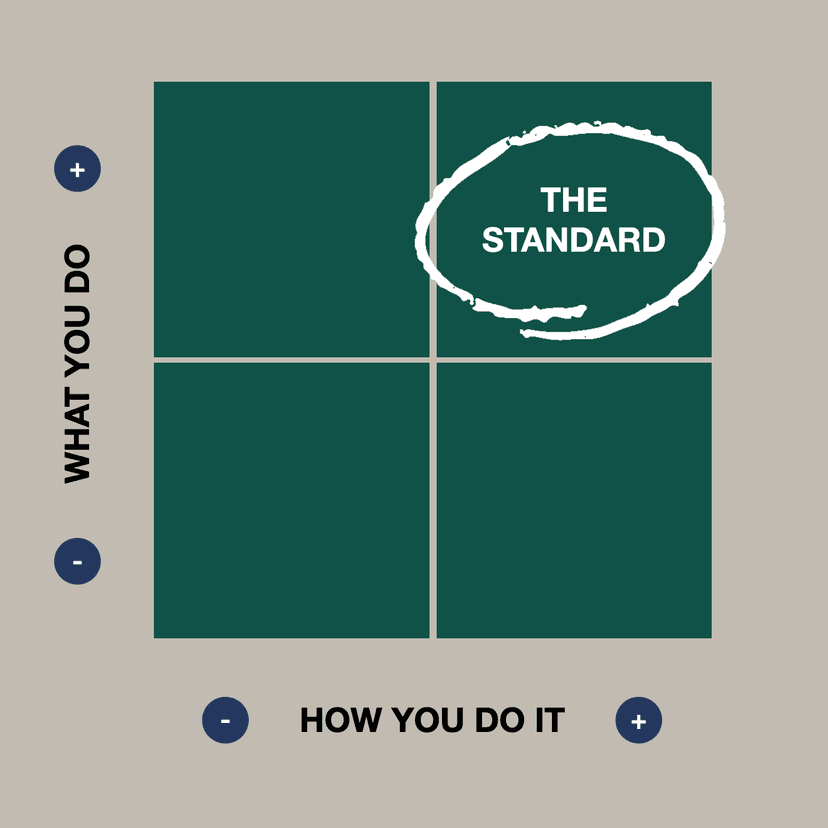
Most people understand “what” their job entails through their job description, title, or key responsibilities. While knowing the “what” of a role is essential, it's the “how” shaped by Core Values that sustains a healthy team. Excelling in tasks alone isn't enough. It's crucial for employees to embody Core Values in the “how” of their work.
Embedding Core Values in the Employee Journey
By integrating Core Values throughout the employee life cycle, organizations can cultivate a strong, value-driven culture that enhances engagement and accountability at every stage of the employee journey.
- Interviewing: Utilize Core Values as a filter during the hiring process to ensure candidates align with the organization's culture.
- Onboarding: Train new employees on how your values influence behavior and establish performance expectations.
- Development: Support employees in evolving their understanding of your values, encouraging them to embody and model these principles to others.
- Performance Feedback: Hold employees accountable for upholding Core Values, providing constructive feedback, and making necessary adjustments.
- Grounds for Termination: Use Core Values to terminate employees who fail to adhere to them.
Powerful Core Value Rules
- 1.
Have no more than 3-5 Core Values: We want them to be memorable!
- 2.
Use easy and relatable language: Corporate jargon feels plastic and won't connect.
- 3.
Include 5-10 value expressions: Formatted as sub bullet points under each Core Value to make them come to life and clarify what that value looks like in action.
Example: Daniel Tardy's Core Values
I Am Coachable
- •I proactively seek out feedback about how I can improve.
- •I seek to understand before I seek to be understood.
- •I assume I have blind spots and seek advice from others.
- •I listen actively and ask lots of clarifying questions.
- •I am self-aware and others-aware.
- •I am continuously reading and learning so I can grow my skills and my personal brand.
- •I am committed to continuous transformation both personally and professionally.
You Can Count On Me
- •To do what I say I'll do, to know when to push back and to stay aligned on expectations.
- •To know when to say no to and reset expectations.
- •To follow up and follow through.
- •To take action and respond quickly.
- •To have your back.
- •To have a plan and execute.
- •To let you know if something is off.
- •To be solution oriented toward every problem.
- •To be a pace-setter.
- •To be responsible and work hard without having to be pushed.
- •To know my numbers, think critically and make life easier for everyone by doing my job extraordinarily well.
We Think Critically And Act Positively
- •We spend time working on our business and not just in it.
- •We sharpen the ax every day.
- •We challenge our own ideas objectively.
- •We plan ahead and we have backup plans.
- •We are problem solvers.
- •We're willing to call our baby ugly.
- •We speak life and positivity without being blindly optimistic.
- •We care about outcomes as much as activities.
- •We are the first to catch and communicate the vulnerabilities of our area.
- •We push for clarity and specific commitments.